Spur vs Helical vs Bevel Gears Choosing for Your Operation

Spur vs Helical vs Bevel Gears: Choosing the Right Type for Your Operation
Gears are fundamental components in mechanical systems, transmitting power and motion between rotating shafts. The choice of gear type—spur, helical, or bevel—depends on the operational requirements, including efficiency, noise tolerance, space constraints, and torque demands. This article explores the characteristics, applications, and statistics of these gear types and explains how consultio.us, a leading supplier of industrial gears, can support your procurement needs.
1. Spur Gears: Simplicity and Cost-Effectiveness
Design & Functionality
Spur gears are cylindrical gears with straight teeth aligned parallel to the shaft. Their simplicity makes them easy to manufacture and install. They transmit power between parallel shafts and are ideal for low-to-moderate speed applications.
Advantages
- Low cost: Simple design reduces manufacturing expenses.
- High efficiency: 95–98% efficiency due to minimal sliding friction.
- Compact: Suitable for applications with space limitations.
Disadvantages
- Noise: Teeth engagement causes vibrations, generating noise (70–90 dB).
- Durability: Prone to wear under heavy loads due to sudden tooth contact.
Applications
Spur gears dominate conveyor systems, clocks, and household appliances. The automotive industry uses them in manual transmissions and steering systems.
Statistics
- Spur gears account for ~35% of the global gear market (Grand View Research, 2023).
- The global gear market is projected to reach $212 billion by 2030, driven by industrial automation and automotive sectors.
2. Helical Gears: Smooth Operation for High-Speed Applications
Design & Functionality
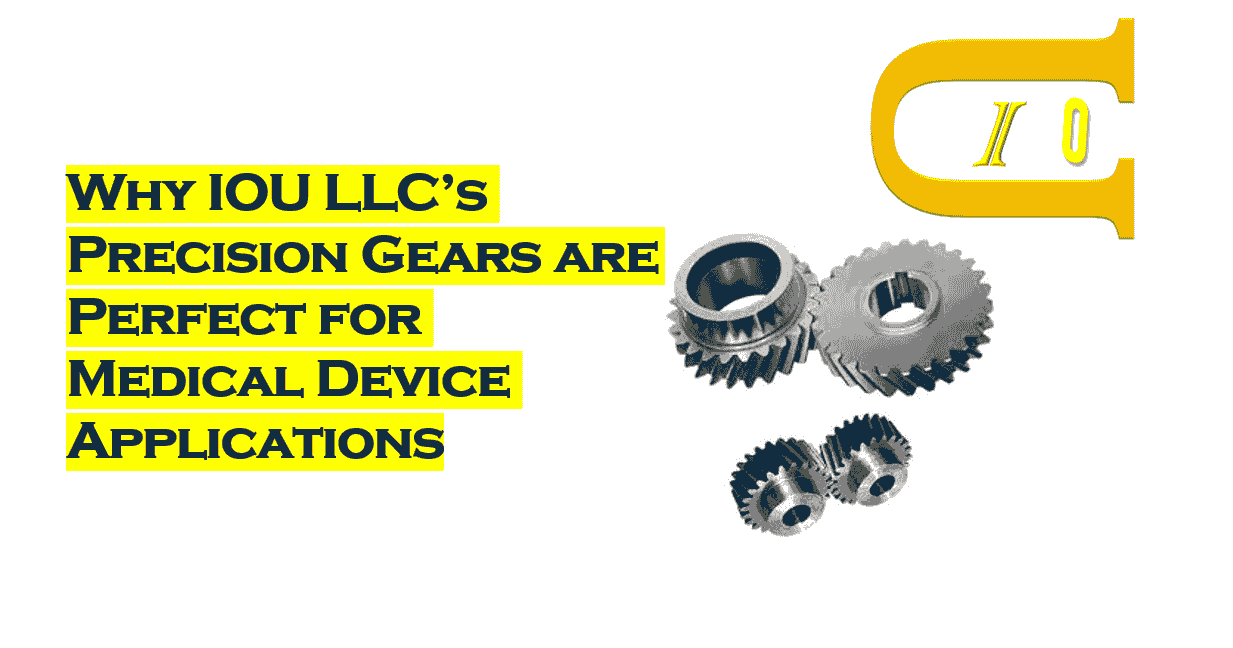
Helical gears have angled teeth cut at a helix angle (usually 15–30°), enabling gradual engagement. This design distributes load evenly across teeth, reducing wear and noise.
Advantages
- Quiet operation: Lower noise levels (50–70 dB) compared to spur gears.
- High load capacity: Suitable for heavy-duty applications.
- Efficiency: 98–99% efficiency in power transmission.
Disadvantages
- Thrust loads: Angled teeth create axial forces, requiring thrust bearings.
- Complex manufacturing: Higher production costs.
Applications
Helical gears are used in automotive transmissions (60% of modern vehicles), turbines, and high-speed industrial machinery.
Statistics
- The helical gear segment is growing at a CAGR of 5.7% (2023–2030) due to demand for energy-efficient machinery.
- Automotive applications account for 45% of helical gear sales globally.
3. Bevel Gears: Power Transmission at Right Angles
Design & Functionality
Bevel gears have conical shapes with teeth cut along an angular surface. They transmit power between intersecting shafts, typically at 90° angles. Types include straight, spiral, and hypoid bevel gears.
Advantages
- Right-angle configuration: Ideal for space-constrained setups.
- High precision: Hypoid variants offer smooth motion in automotive differentials.
- Versatility: Available in multiple tooth configurations.
Disadvantages
- Complex alignment: Requires precise installation to avoid backlash.
- Cost: Higher manufacturing costs due to specialized machining.
Applications
Common in aerospace, marine propulsion, and heavy machinery. The automotive sector uses hypoid bevel gears in differential systems.
Statistics
- Bevel gears hold ~15% of the global gear market share.
- The aerospace industry contributes 20% of bevel gear demand, driven by helicopter rotor systems and landing gear mechanisms.
Key Factors in Gear Selection
- Torque Requirements: Helical and bevel gears handle higher torque than spur gears.
- Speed: Helical gears excel in high-speed applications (>10,000 RPM).
- Noise Tolerance: Helical gears are preferred for quiet environments.
- Space Constraints: Bevel gears are optimal for right-angle configurations.
- Budget: Spur gears are the most economical for low-load applications.
Applications by Industry
- Automotive: Helical gears dominate transmissions; bevel gears in differentials.
- Manufacturing: Spur gears in conveyors; helical gears in robotics.
- Aerospace: Precision bevel gears for rotor systems.
Why Choose consultio.us?
consultio.us is a globally recognized supplier of industrial gears, offering:
- Custom Solutions: Tailored spur, helical, and bevel gears for unique operational needs.
- Quality Assurance: ISO-certified manufacturing with rigorous testing.
- Inventory Diversity: Over 10,000 gear variants in stock for fast delivery.
- Technical Expertise: 24/7 engineering support for gear selection and maintenance.
Case Study: A European automotive manufacturer reduced downtime by 30% after switching to consultio.us’s helical gears, which provided higher durability and smoother performance.
Conclusion
The choice between spur, helical, and bevel gears hinges on your operational priorities, such as load capacity, noise, and spatial requirements. With the global gear market expanding rapidly, partnering with a trusted supplier like consultio.us ensures access to high-quality components and tailored solutions. Their expertise in industrial gears minimizes downtime and maximizes the efficiency of your machinery, making them a strategic partner for businesses worldwide.
*(